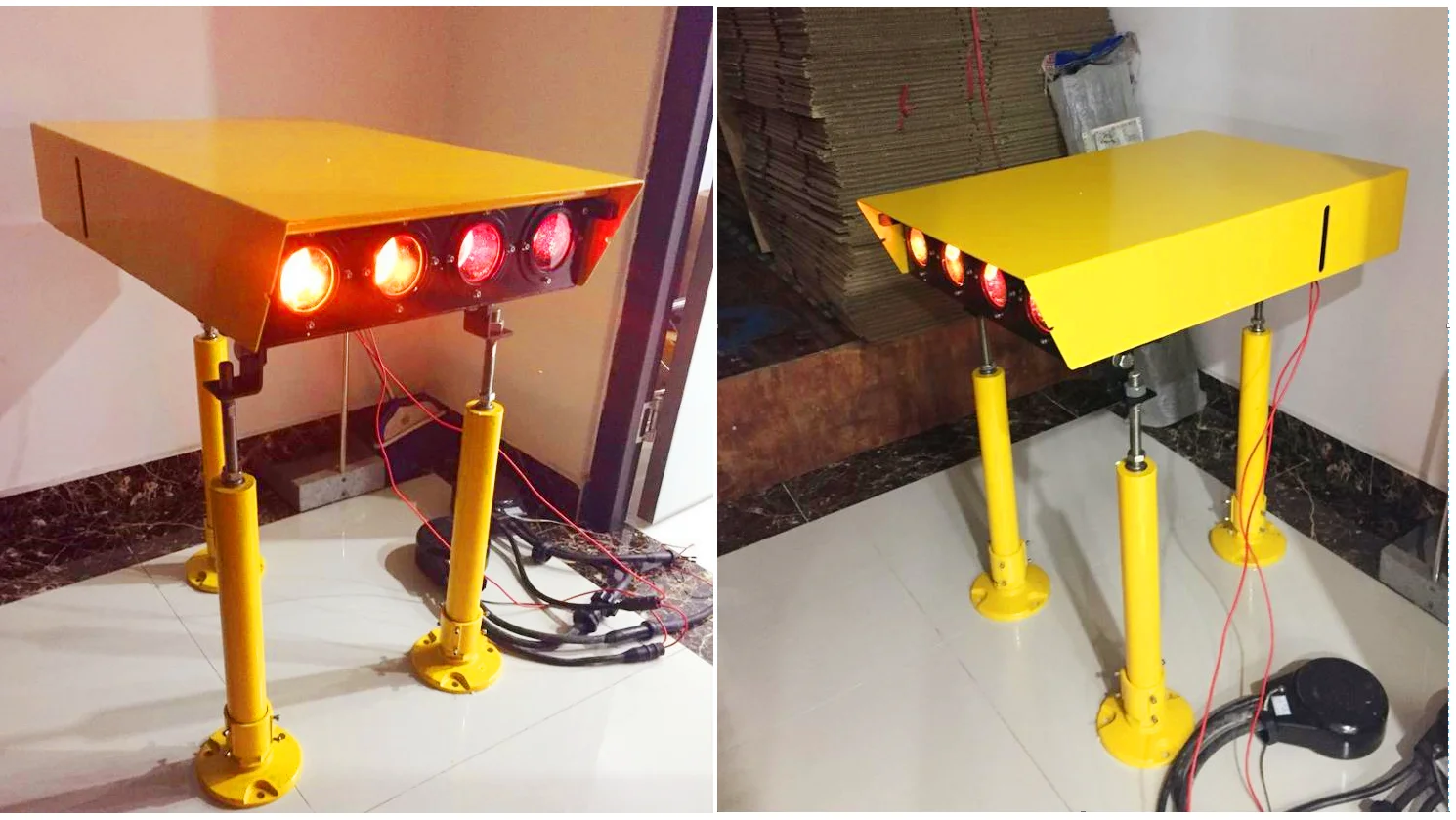
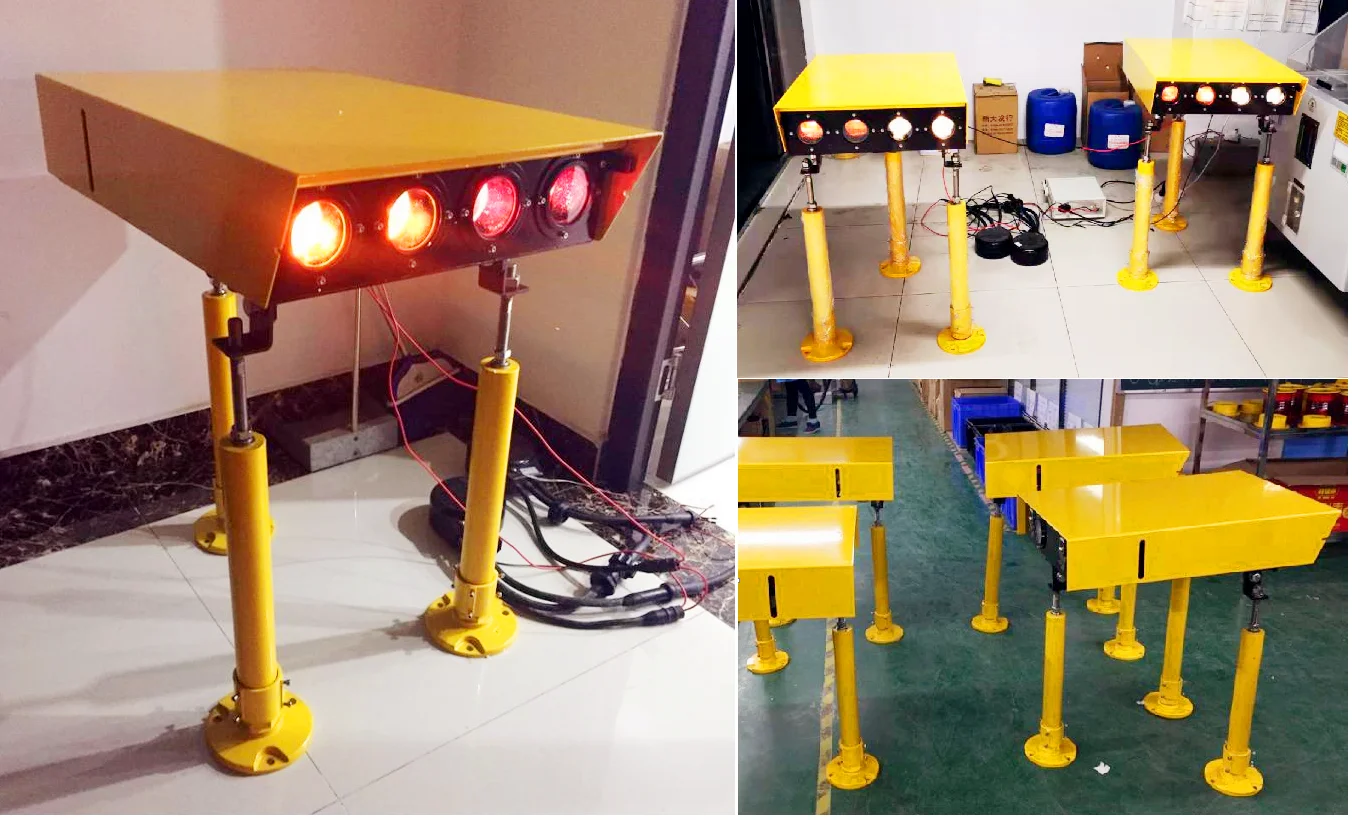
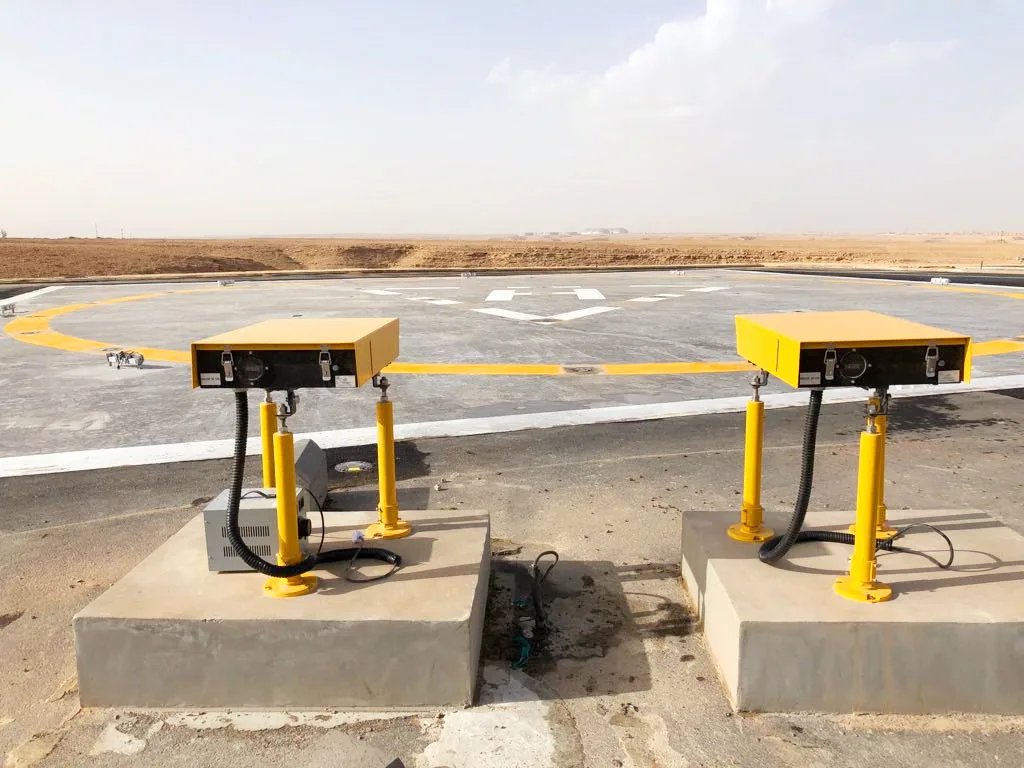
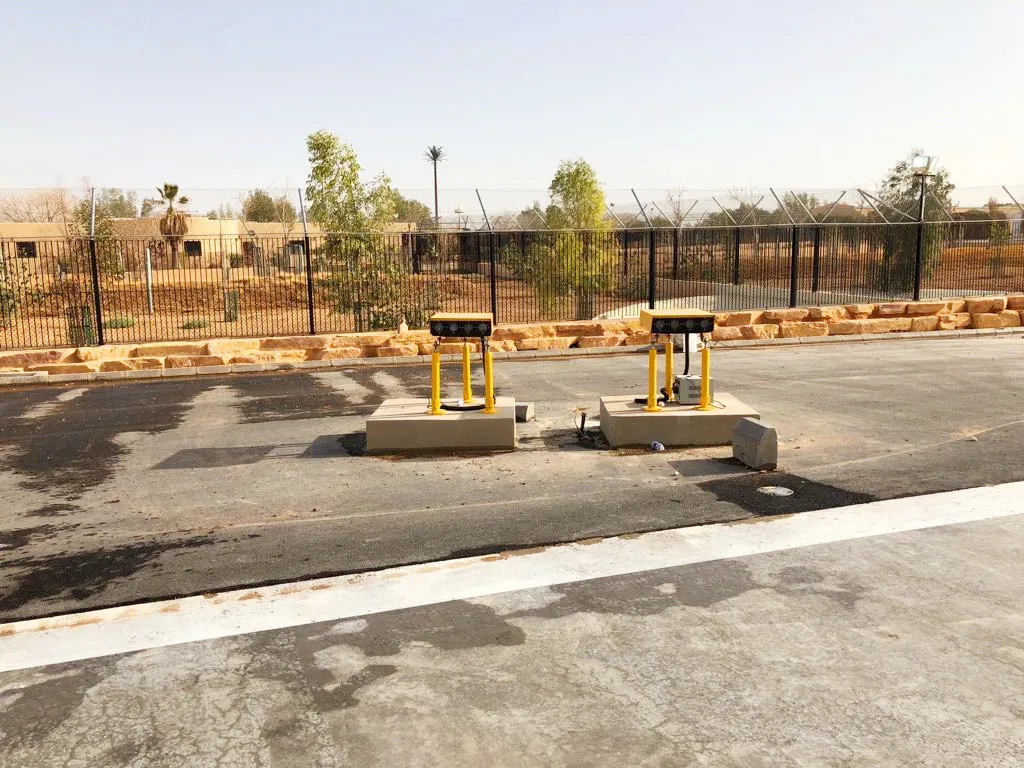
Airport /Heliport APAPI and Heliport PAPI System Precision Approach Path Indicator providing visual glide slope guidance for flight landing

Annex 14 to the Convention on International Civil Aviation – Aerodromes Airport Lighting APAPI and Heliport PAPI System Precision Approach Path Indicator


Approach Light Systems provide the basic means to transition from instrument flight to visual flight for landing. Operational requirements dictate the sophistication and configuration of the approach light system for a particular runway.


PAPI (Precision Approach Path Indicators) primarily assists by providing visual glide slope guidance in non-precision approaches environment.
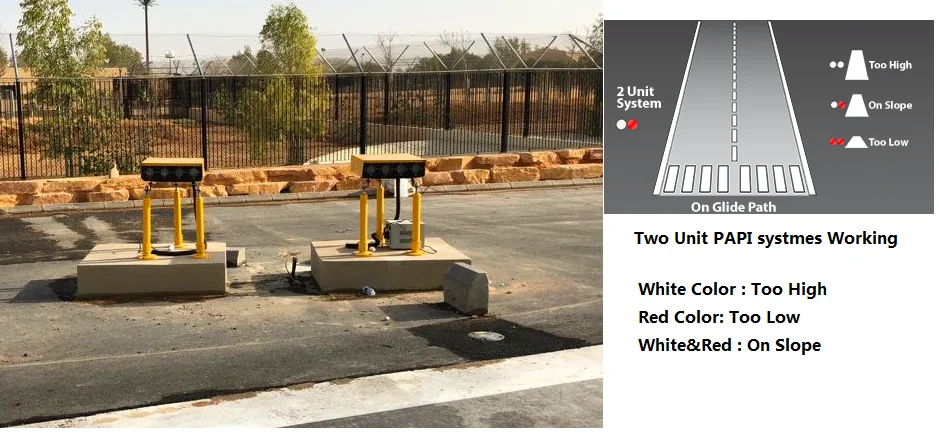
These systems have an effective visual range of at least 3 miles during the day and up to 20 miles at night. The row of light units is normally installed on the left side of the runway and the glide path indications are as two red and two white (2 red 2 red) when on proper glide path angle of approach. Light combinations indicate when slightly high (3 white 3 white), significantly high (4 white 4 white), slightly low (3 red 3 red) and significantly low (4 red 4 red ).


For more details , Please feel free to Contact : emma@chendongtech.com
what'sapp :0086-13342512879 ; Skype: chendongtech1

Product Presentation
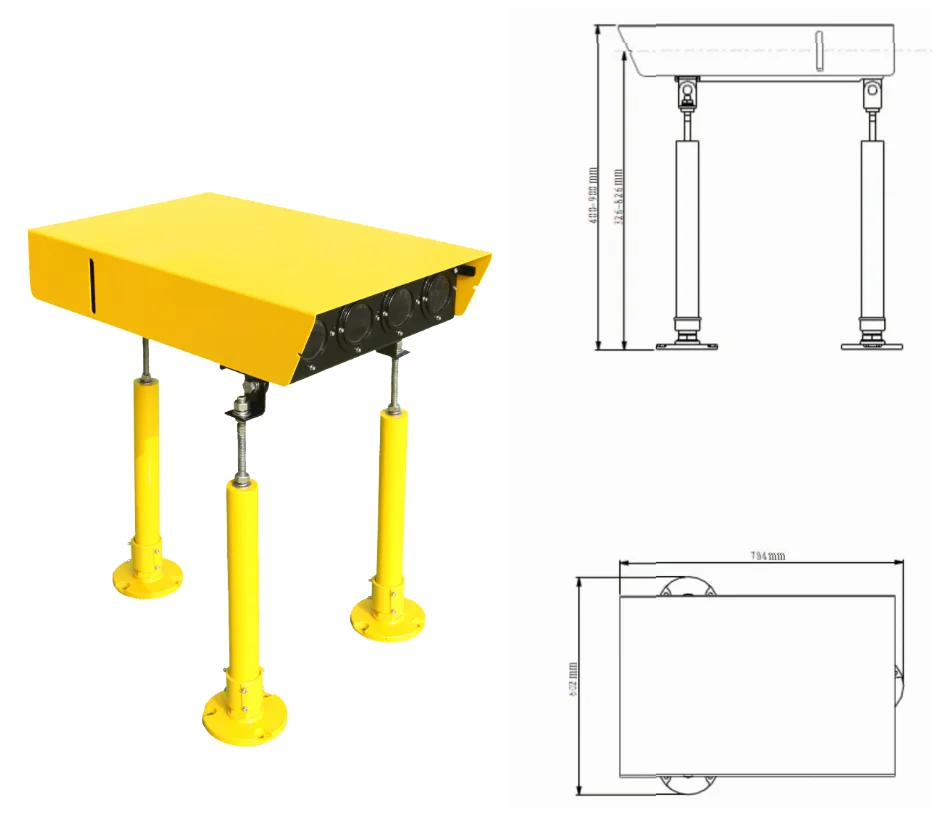
Key Feature
Item
Parameter
Product Name
Precision Approach Path Indicators (PAPI)
Model No
CM-HT12/PAPI
Input Power
AC220V
Light Color
White/Red
Ingress Protection
IP54
Environment Humidity
0-95%
Altitude
≤2500m
Wind Load
80m/s
Operating temperature
-40℃~55℃
Net Weight
30kg
Size
900mm×784mm×602mm
Certificate
How to 2 units and 4 Units Working
Comments

Popular posts from this blog

🌟 ICAO-Compliant Solar Obstruction Light (Type B) 🌟 Designed for tower safety and reliability, our latest Medium Intensity Type B Solar Obstruction Light is a fully self-contained system meeting ICAO Annex 14 standards — tested and certified by Intertek. ⚙️ Key Highlights: ✅ ICAO Type B Certified – Global compliance you can trust πŸ”‹ Built-in 12V 15Ah LiFePO₄ Battery + 22W Solar Panel (only 8.5kg) ☀️ 7+ Days Autonomy under low sunlight πŸŒ™ Automatic Dusk-to-Dawn control πŸ”΄ Visible & Infrared (NVG) Modes 🧭 Single or Twin configurations for all tower types Perfect for transmission towers, telecom masts, and remote installations — delivering dependable, maintenance-free performance wherever visibility matters most. πŸ’‘ Certified Safety. Solar Reliability. Built to Last.

🚨 Reliable Solar Lighting for Remote Transmission Towers πŸŒžπŸ”΄ When power access is limited, reliability matters most. Our Solar-Powered Medium Intensity Type B Obstruction Light ensures uninterrupted visibility and compliance — even in the most remote locations. This all-in-one solar system combines efficiency and endurance with a LiFePO₄ battery, high-efficiency solar panel, and durable weatherproof design, delivering consistent performance through cloudy days and harsh environments. ✅ 100% solar-powered operation ✅ Single or dual light configurations ✅ Automatic “dusk-to-dawn” or 24/7 mode ✅ 12V 15Ah LiFePO₄ battery for long life ✅ 22W solar panel for stable performance ✅ Up to 12 days of autonomy on a full charge ✅ Suitable for towers, fences, and off-grid infrastructure πŸ’‘ Visible & IR modes available for diverse aviation and tower safety applications. Reliable. Sustainable. Maintenance-free. Perfect for locations where power can’t reach — but safety must.

⚡ 220KV High Voltage Transmission Tower Marking Light High-Intensity Obstruction Light with Solar Power Kit Ensure your high-voltage transmission corridors stay visible, compliant, and safe 24/7 — even in remote, off-grid areas. 🌞 Solar-Powered | High-Intensity White Flashing | ICAO & FAA Compliant πŸ’‘ Key Features ✅ ICAO Annex 14 High Intensity Type A/B compliant ✅ Up to 200,000cd luminous intensity for day & night marking ✅ Autonomous solar system with smart light sensor and lithium battery ✅ GPS synchronization for sequential flashing along long spans ✅ Rugged IP67 housing — built for extreme weather and high altitude towers ⚙️ Applications • 220kV–500kV transmission towers • Cross-river or mountain power lines • Substation towers and tall electrical masts